Best Stainless Steel Sink Options for Every Kitchen Need?
When choosing a kitchen sink, the options can be overwhelming. The right stainless steel sink can enhance function and aesthetics. This popular choice offers durability and a modern look. It is essential to understand your needs before making a decision.
Different designs and features cater to various kitchen styles. Some sinks come with deep bowls, while others offer a sleek, shallow profile. Understanding the pros and cons can guide your choice. Stainless steel sinks are often praised for their resistance to stains and easy maintenance. However, they can be prone to scratches if not properly cared for.
Finding the best stainless steel sink requires careful consideration. Reflect on your cooking habits and the overall kitchen aesthetic. You might envision a farmhouse style but find that a more contemporary design suits your space better. Selecting the right sink is a journey of discovery, balancing practicality with personal taste.
Top Features to Consider When Choosing a Stainless Steel Sink
When selecting a stainless steel sink, focus on the specific features that enhance functionality. Durability is key. A sink with at least 18-gauge steel offers excellent resistance to dents and scratches. Look for a brushed finish, which not only withstands wear but also doesn't show fingerprints easily.
Noise reduction is another important factor. Sinks with sound-deadening pads or thicker gauge steel are quieter. If you're concerned about water splashes, consider a deeper basin. This helps contain water while washing dishes.
Tips: Measure your kitchen space before making a decision. This ensures you choose the right size and shape. Always think about installation type; undermounts fit seamlessly into countertops, while drop-ins provide easy replacement. Remember, design should complement your kitchen style. Choose wisely, as this is a long-term investment.
Different Types of Stainless Steel Sinks and Their Uses
When considering stainless steel sinks, it's essential to recognize the different types available. Each type serves a unique purpose, catering to various kitchen needs. The most common styles include top mount, undermount, and farmhouse sinks. According to a recent industry report, undermount sinks are gaining popularity, especially in modern designs, as they create a seamless look when paired with countertops.
A study by the National Kitchen & Bath Association highlights that 60% of homeowners prefer stainless steel for its durability and resistance to corrosion. The thickness of the steel, measured in gauges, greatly affects the quality and noise levels of the sink. A sink with an 18-gauge steel thickness is typically quieter and more resistant to dents than its thinner counterparts. Yet, some users may find budgeting for higher-quality metal a challenge.
Despite their advantages, stainless steel sinks can show scratches over time. This factor often leads to concerns about maintaining aesthetics. Developing a regular cleaning routine can minimize these imperfections. Some homeowners even report dissatisfaction with noise when running water or washing dishes, particularly with lower-gauge sinks. Selecting the right sink requires careful consideration of these attributes to meet one's culinary and stylistic needs effectively.
Comparing Gauge Thickness: What Works Best for Your Kitchen
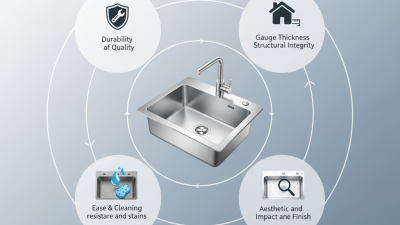
When choosing a stainless steel sink, gauge thickness is crucial. The gauge refers to the metal's thickness; lower numbers mean thicker steel. Typically, 16-gauge is considered optimal for durability. A study from the Kitchen and Bath Association shows that sinks with a 16-gauge rating resist dents better than their 18-gauge counterparts.
Thicker sinks are also quieter. They dampen sound better during use. This can enhance your cooking experience. However, the trade-off may be weight. Heavier sinks require stronger cabinetry support. For some, this might lead to additional costs. Contrastingly, 18-gauge sinks are lighter but may not withstand heavy daily use as effectively.
It's essential to consider the style and use of your kitchen. Frequent cooks might prefer thicker options for resilience and reduced noise. In contrast, occasional users might find the benefits of a lighter gauge sink sufficient. Even experienced buyers can revisit their choices. The goal is straightforward: choose a sink that meets both aesthetic and functional needs.
Best Stainless Steel Sink Options for Every Kitchen Need
This chart compares the durability scores of different gauge thicknesses of stainless steel sinks. Higher gauge numbers indicate thinner steel, while lower gauge numbers indicate thicker, more durable material. As shown, 14 gauge sinks score the highest in durability, making them a popular choice for robust kitchen needs.
Best Brands for Stainless Steel Sinks: A Comprehensive Review
When choosing the best brands for stainless steel sinks, it's essential to consider quality and durability. Several brands stand out due to their impressive craftsmanship and customer satisfaction. They often use high-grade stainless steel that resists corrosion and dents, ensuring longevity. A reliable sink should withstand daily use without showing signs of wear quickly.
Many brands also offer various sink designs, catering to different styles and preferences. From undermount to farmhouse styles, the options are vast. Some might prioritize aesthetic appeal without considering functionality. It's crucial to balance beauty and practicality. Selecting the right gauge thickness is vital, as thicker materials tend to be sturdier and quieter.
Moreover, customer reviews often highlight issues like rusting or scratching. This feedback can help refine choices. Investigating the warranty terms of different brands can reveal more about their commitment to quality. Some might sound appealing but may not hold up over time. Understanding these nuances will help you select a sink that truly meets your kitchen needs.
Maintenance Tips for Keeping Your Stainless Steel Sink Shiny and New
To maintain the shine and freshness of your stainless steel sink, regular cleaning is essential. Use a gentle soap solution and a soft cloth. Avoid abrasive scrubbers, as they can scratch the surface. Rinse thoroughly to prevent soap residue, which could dull the shine. Stains and food debris can be stubborn, but a paste of baking soda and water can effectively lift them. Apply it gently, then rinse.
Occasional polishing with mineral oil adds a protective layer. This helps to keep water spots at bay and enhances the sink's luster. It's a simple step that goes a long way. However, remember to reapply it every few weeks for the best results. If you use harsh cleaners, they may cause tarnishing or more wear over time. Finding the right balance in your cleaning routine is key.
Finally, be mindful of the sink's placement. Cooking splatters can happen more often if your sink is near the stove. Over time, this could lead to more noticeable wear. Regular maintenance can feel tiresome, but each effort contributes to a beautiful kitchen. That’s what makes using a stainless steel sink enjoyable, despite its upkeep.
Best Stainless Steel Sink Options for Every Kitchen Need
| Sink Type |
Dimensions (Inches) |
Installation Type |
Best For |
| Single Bowl Sink |
22 x 30 |
Undermount |
Small Kitchens |
| Double Bowl Sink |
33 x 22 |
Topmount |
Family Use |
| Farmhouse Sink |
36 x 24 |
Apron Front |
Rustic Kitchens |
| Bar Sink |
15 x 20 |
Topmount |
Entertaining |
| Prep Sink |
18 x 20 |
Undermount |
Food Prep |
Maintenance Tips for Keeping Your Stainless Steel Sink Shiny and New
- Regularly clean with mild soap and water to prevent stains.
- Use a soft cloth to dry the sink after each use to avoid water spots.
- Avoid harsh chemicals and scouring pads that can scratch the surface.
- For tough stains, a mixture of baking soda and vinegar can be effective.
- Periodically polish the sink with olive oil to restore shine.