How to Choose the Best Freezer Cabinets for Your Needs?
Choosing the best freezer cabinets can be a daunting task. Expert John Anderson, a well-known figure in the food storage industry, states, "Selecting the right freezer cabinets is essential to maintaining the quality of your food." With numerous options available, understanding your specific needs is crucial.
Freezer cabinets come in various sizes and styles. Factors such as capacity, energy efficiency, and design should influence your choice. Many people overlook these details, leading to poor decisions. Consider how much food you plan to store and the space available in your home.
Additionally, not all freezer cabinets offer the same features. Some include adjustable shelves and temperature controls, while others lack these elements. Reflect on what you genuinely need. Rushing the decision can lead to regret. Take your time to compare options before making a choice.
Understanding Different Types of Freezer Cabinets Available
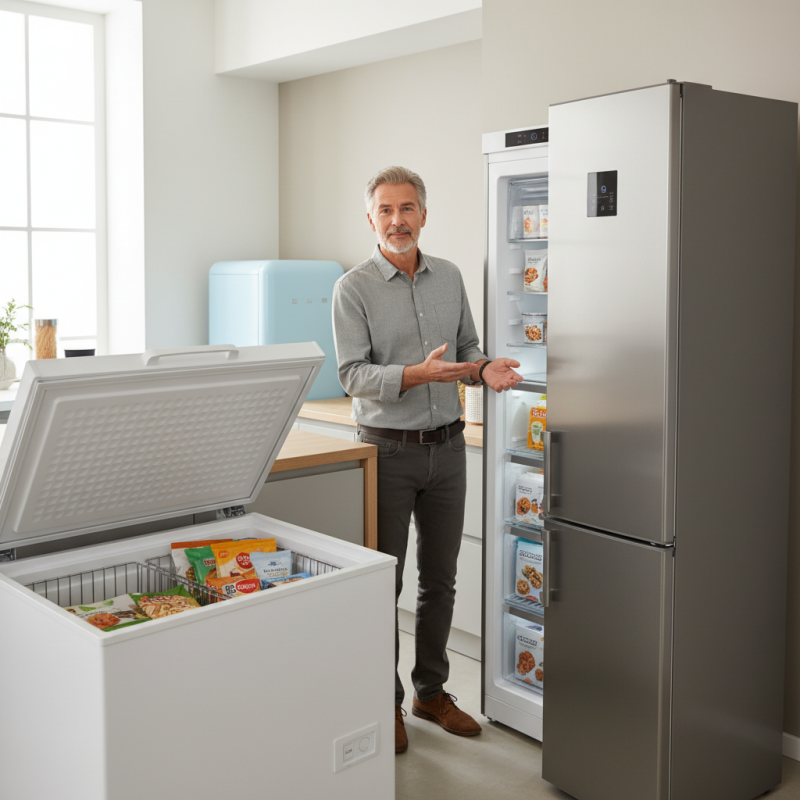
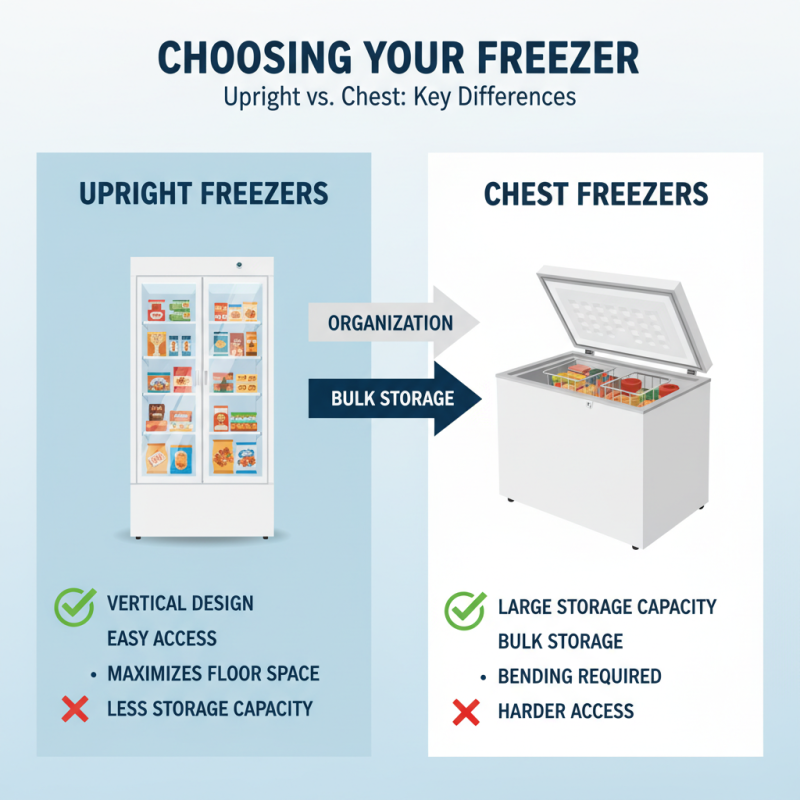
When choosing freezer cabinets, it's essential to understand the different types available. Upright freezers are popular for their vertical design. They offer easy access and maximize space efficiency. You can easily see what's inside without bending down. However, they can sometimes lack storage capacity compared to chest freezers.
Chest freezers provide ample space and energy efficiency. They hold larger items, such as bulk purchases. This design can make organizing difficult; you must dig to find items at the bottom. Some users find this inconvenient. Additionally, they require more floor space and can be heavy.
If you have limited space, a compact freezer might be ideal. These small cabinets fit in tight areas and are great for apartments. But, their storage is quite limited. It's essential to assess your needs before committing. Consider your available space and the volume of food you store. Knowing your requirements can help guide you in making the right choice.
Evaluating Size and Capacity for Your Space and Usage Needs
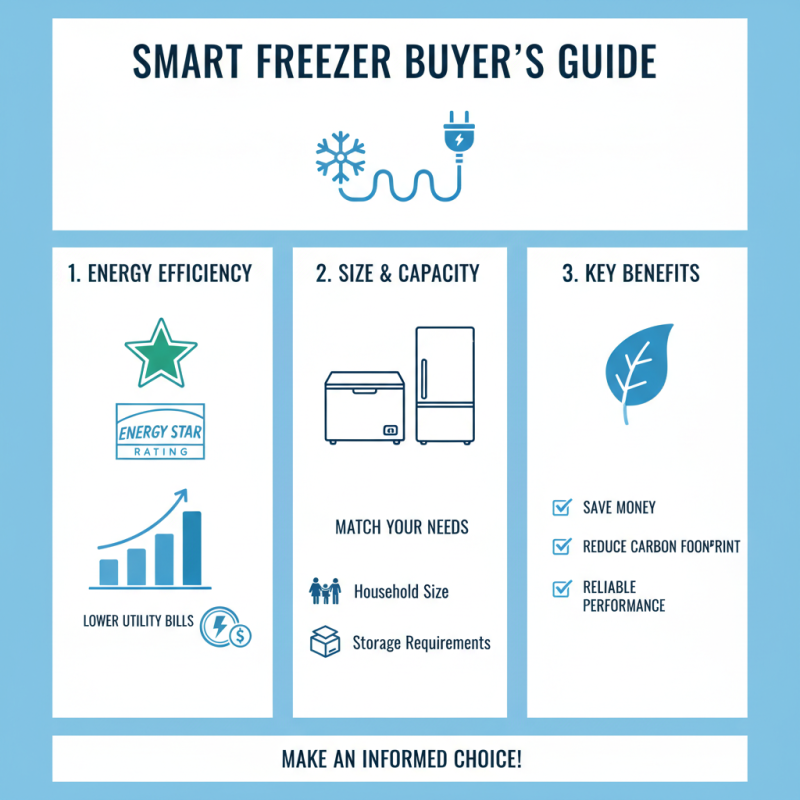
When selecting the right freezer cabinet, size and capacity are crucial to meet your needs. Research indicates that a typical household may require an additional 1.5 cubic feet of space per person. So, for a family of four, targeting around 6 cubic feet is a good start. However, this can vary based on individual usage patterns.
Tips: Always measure your available space before purchasing. Take note of door swings and ventilation space. A small miscalculation can lead to frustration.
Consider the different types of freezer cabinets available. Chest freezers typically offer more usable space, while upright models take up less floor space. According to industry data, upright models are preferred by 60% of home users. Think about how often you plan to access your freezer. Frequent access can lead to temperature fluctuations in chest models.
Tips: Organize your freezer effectively. Use bins to separate items and ensure visibility of contents. This can help avoid the "black hole" effect many experience with deeper models. Reflect on your habits. Are you buying in bulk? Make sure your freezer can accommodate those needs without overcrowding.
Freezer Cabinets Size and Capacity Evaluation
Key Features to Look for in a Freezer Cabinet
When choosing a freezer cabinet, focus on key features that best suit your needs. Size matters. Measure your space. A compact model may fit better in small kitchens. Larger units, however, provide more storage for bulk items. Consider the layout as well. Adjustable shelving enables you to customize the space.
Temperature control is essential. Look for models with accurate thermostats. This ensures your food stays at the right temperature. Energy efficiency is another crucial feature. A well-insulated freezer cabinet saves money over time. Check the energy rating for better insights.
Tips for selecting the right freezer cabinet include evaluating capacity. Make a list of what you intend to store. This helps in choosing the appropriate size. Another point to consider is noise level. Some freezers can be quite loud. Look for specifications regarding operational sound levels. A quiet unit enhances your kitchen experience.
How to Choose the Best Freezer Cabinets for Your Needs? - Key Features to Look for in a Freezer Cabinet
| Feature |
Description |
Importance |
Typical Range |
| Capacity |
The total volume of the freezer cabinet measured in cubic feet. |
Essential for determining storage needs. |
5 - 30 cu. ft. |
| Energy Efficiency |
Measures how much energy the unit consumes relative to its output. |
Reduces long-term operating costs. |
Energy Star rated or equivalent. |
| Temperature Control |
The ability to set and maintain desired temperatures accurately. |
Crucial for food preservation. |
-10°F to -20°F. |
| Build Quality |
Durability of materials used in construction. |
Influences lifespan and reliability. |
Galvanized steel or reinforced plastic. |
| Mobility |
Presence of wheels or casters for easy movement. |
Facilitates repositioning for accessibility. |
Wheeled options available. |
| Noise Level |
The sound produced during operation, measured in decibels. |
Affects comfort in residential areas. |
30 - 50 dB. |
| Price Range |
The average cost of acquiring the unit. |
Budget consideration when purchasing. |
$200 - $1200. |
Energy Efficiency Ratings and Their Importance
When selecting freezer cabinets, energy efficiency ratings play a crucial role. These ratings indicate how much electricity a unit consumes. Higher efficiency ratings often translate to lower utility bills. It is essential to understand these ratings when making a purchase. A freezer with an Energy Star rating is usually a good choice. However, do not overlook the size and capacity that's best for your needs.
Tip: Look for LED indicators that show energy consumption. This feature helps to monitor how much power your freezer uses. A cabinet that consumes less energy saves you money in the long run. Additionally, pay attention to insulation quality. Poor insulation can lead to energy loss, making the freezer less efficient over time.
It’s easy to assume that all freezers are energy-efficient. However, some models are not designed for optimal energy use. Research and compare several options before deciding. Consider your usage patterns as well. Will you frequently open the freezer door? This habit can affect energy consumption. Evaluate both the rating and your lifestyle to find the best fit.
Budget Considerations and Finding Affordable Options
When selecting freezer cabinets, budget plays a significant role. Affordable options exist if you know where to look. Prices can vary widely. Keep your budget realistic. Research different models online. Explore local stores as well. Sometimes, hidden gems are waiting for you.
Tips: Consider used cabinets. They can be cost-effective and functional. Check local classifieds or online marketplaces. Look for warranties, even on second-hand items. Don’t rush into a purchase. Evaluate your storage needs carefully. A larger cabinet may seem better, but it might not fit your space or budget.
Some cheaper models may lack features. Always review specifications closely. Energy efficiency is crucial too. A fridge might save you money long-term. It’s wise to factor in these costs. Remember, spending a bit more now can save you later. Think carefully about what you need. Avoid impulse buys that don’t meet your requirements.