How to Choose the Best Automatic Dishwasher for Your Home?
Choosing the right Automatic Dishwasher can significantly impact your kitchen experience. With advancements in technology, today's market offers a wide range of features and designs. According to the Association of Home Appliance Manufacturers (AHAM), over 90% of American households use dishwashers. This illustrates their growing importance in modern homes.
Industry expert Michael Thompson states, "Investing in a quality Automatic Dishwasher can transform your daily routine." However, the variety of options can be overwhelming. Consumers must consider capacity, energy efficiency, and noise levels. Furthermore, understanding your household's specific needs is crucial.
Many people overlook vital details, such as maintenance requirements. While aesthetics may catch the eye, functionality should take precedence. Taking time to research before purchasing will lead to better long-term satisfaction. Transitioning to an Automatic Dishwasher may seem simple, yet it requires thoughtful consideration of various factors.
Understanding Your Dishwashing Needs and Kitchen Space
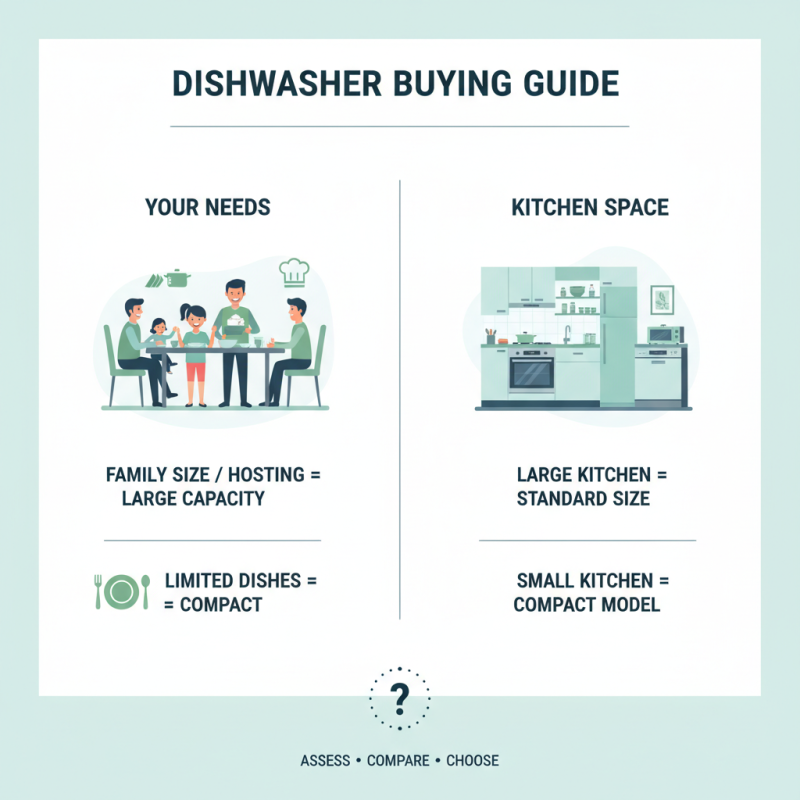
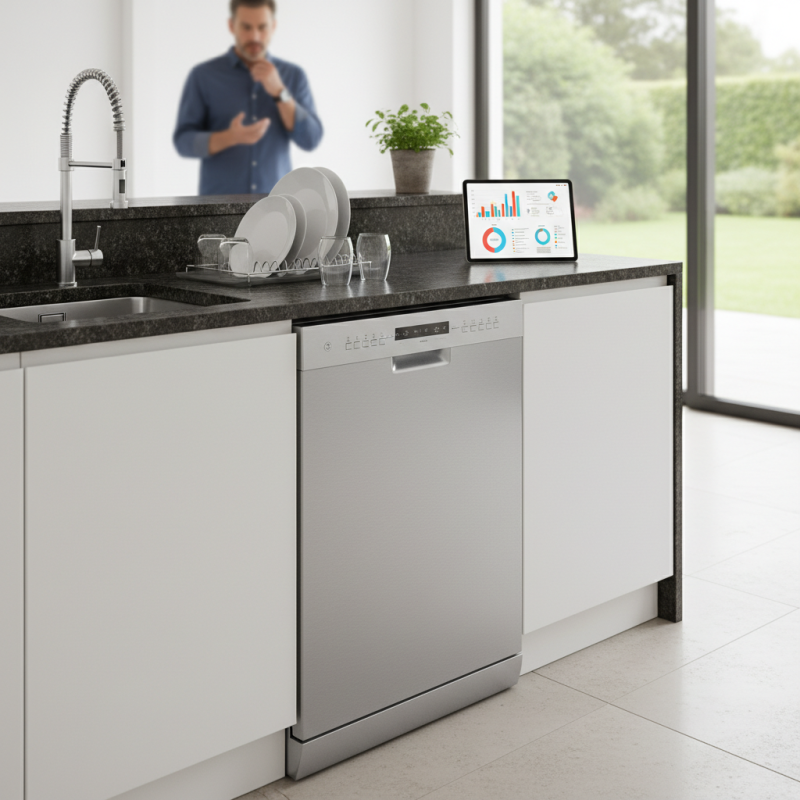
When selecting an automatic dishwasher, understanding your dishwashing needs and kitchen space is crucial. Assess your family size and cooking habits. Do you host frequent gatherings? If so, a larger model with more capacity could be ideal. If you have limited dishes, a compact model may suit you better.
Tips: Measure your kitchen space before shopping. Check the dimensions to ensure your new appliance fits well. Consider the layout of your kitchen. Space between the dishwasher and the sink matters. Plan for easy loading and unloading.
Evaluate your lifestyle as well. If you cook often, look for features that handle heavy loads or stubborn grime. Extended wash cycles may be necessary too. Yet, some models are not energy efficient. Reflect on your environmental goals. Balance convenience with eco-friendliness. Choose wisely.
Key Features to Consider in Automatic Dishwashers
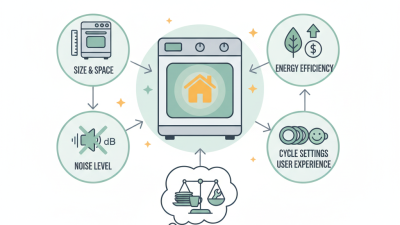
When considering an automatic dishwasher, it’s crucial to focus on key features. Capacity is one of the essentials. Most models range from compact to standard sizes. Think about your kitchen space and how much or how little you typically wash. A smaller unit might fit your needs, but it could lead to overcrowding and ineffective cleaning.
Another important aspect is energy efficiency. Many dishwashers come with energy ratings. A more efficient model saves on utility bills and reduces environmental impact. Look for features like soil sensors that adjust water usage. This can lead to better performance and save resources in the long run.
Noise level is often overlooked. Dishwashers operate at different decibel levels. A quieter model may be preferable if you have an open-plan living space. You may notice that louder units can be disruptive during conversations or while watching TV. Always check the noise rating before making a final decision.
Tips: Consider your lifestyle. If you entertain often, a larger capacity may better serve your needs. However, if you live alone, a compact model suffices. Regularly clean and maintain your dishwasher to ensure it runs efficiently. Neglecting maintenance can lead to clogs and reduced performance over time.
Energy Efficiency Ratings and Water Usage Explained
When selecting an automatic dishwasher, energy efficiency ratings and water usage are crucial factors. Energy-efficient models often save money on utility bills. Look for dishwashers with a good Energy Star rating. These machines use less electricity. They also help the environment. Sustainable choices are appealing in today’s world.
Water usage is equally important. Many dishwashers use less water than hand washing. However, some models may consume more than expected. A rating between 3 to 5 gallons per cycle is ideal. This keeps your water bill from skyrocketing. Recognizing your household's washing habits can guide your choice. Not all families need the same capacity. Larger families may require models that hold more dishes.
It’s wise to check reviews and user experiences. Some buyers notice discrepancies in advertised savings. Real performance can vary. Visiting retailers and examining display models may provide insight. Make sure to consider how often you run loads. If you frequently wash lightly soiled dishes, a smaller model may fit your lifestyle better.
Energy Efficiency and Water Usage of Automatic Dishwashers
Comparing Dishwasher Types: Built-in, Portable, and Drawer Models
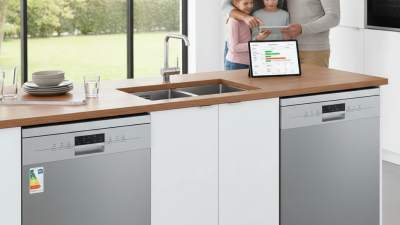
When choosing an automatic dishwasher, it’s essential to consider the type that best fits your home. Built-in dishwashers are a popular choice. They integrate seamlessly into your kitchen, providing a clean look. These units are usually more powerful and spacious. However, installation can be a hassle. You may need to remodel your kitchen layout to accommodate them.
Portable dishwashers offer flexibility. They can be moved around and stored away when not in use. This is a great option for smaller kitchens or apartments. They connect to the kitchen faucet, making it easy to use. Yet, some users find them less efficient than built-in models. It’s important to note their capacity limits too.
Drawer models are another innovative choice. They allow for separate washing loads, which is handy for families. You can run smaller cycles without wasting energy. However, they might not handle large items like pots and pans well. Many people overlook this when choosing. Each type has its pros and cons, so consider your space and needs carefully.
How to Choose the Best Automatic Dishwasher for Your Home?
| Dishwasher Type |
Capacity (Place Settings) |
Size (Width x Depth x Height) |
Installation Type |
Energy Efficiency Rating |
Average Price (USD) |
| Built-in |
12 - 16 |
24" x 24" x 35" |
Fixed |
A++ |
500 - 1,200 |
| Portable |
6 - 8 |
18" x 21" x 36" |
Mobile |
A+ |
300 - 700 |
| Drawer |
6 - 10 |
24" x 24" x 17" |
Built-in |
A++ |
800 - 1,500 |
Budgeting: Finding the Right Dishwasher for Your Price Range
When budgeting for a dishwasher, it's crucial to define your price range. The average cost of an automatic dishwasher varies from $300 to $1,200. Many homeowners feel overwhelmed by available options. Without a clear budget, it's easy to overspend on unnecessary features.
A survey by the Association of Home Appliance Manufacturers revealed that energy-efficient models save mortgage holders around $30 annually in utility costs. This might seem small but can add up over time. Prioritize efficiency when selecting a model. Look for dishwashers that are ENERGY STAR certified. They might be slightly more expensive upfront but will reduce long-term costs.
Tip: Consider the size of your household. A larger family may need a bigger capacity, which could influence your budget. Evaluate your washing needs carefully.
Sometimes, shoppers overlook financing options. Many retailers offer payment plans. This could ease the burden of an upfront purchase. It's essential to review all costs, including installation fees. You don’t want any surprises later.
Tip: Read customer reviews online to understand common issues. Sometimes, the cheapest option can lead to costly repairs. Take time to make an informed choice.