Choosing the best Fridge Storage Drawers in 2026 is not merely a design decision. It affects food visibility, temperature stability, cleaning routines, and household waste.
The United Nations Environment Programme’s Food Waste Index Report 2024 estimates that households generated 631 million tonnes of food waste in 2022. Better refrigerator organization cannot solve everything. It can, however, make forgotten vegetables easier to see. The U.S. Food and Drug Administration recommends keeping refrigerators at 40°F (4°C) or below. Therefore, a suitable drawer should support airflow rather than block cold circulation. Clear fronts, adjustable dividers, and smooth runners offer practical advantages. Small details matter.
Meredith Carothers, a food-safety specialist with the USDA Food Safety and Inspection Service, reinforces a necessary principle: “When in doubt, throw it out.” That advice sounds simple. It is still often ignored. The best drawer cannot rescue food stored too long or handled carelessly. Our selection process will compare capacity, materials, temperature compatibility, humidity control, cleaning access, and load strength. We will also consider independent consumer research and manufacturer specifications, not attractive photographs alone. Some premium drawers may look impressive but waste usable shelf space. Others may slide beautifully when empty and struggle under full containers. That is where real kitchen experience becomes useful. Before choosing, measure the refrigerator cavity, check clearance, and imagine a crowded Sunday meal. The right Fridge Storage Drawers should make safe storage feel easier, not create another system to manage.
How to Choose the Best Fridge Storage Drawers in 2026?
Understand Fridge Storage Drawer Types and Their Main Uses
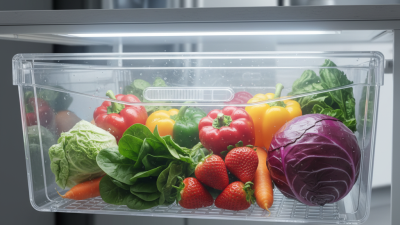
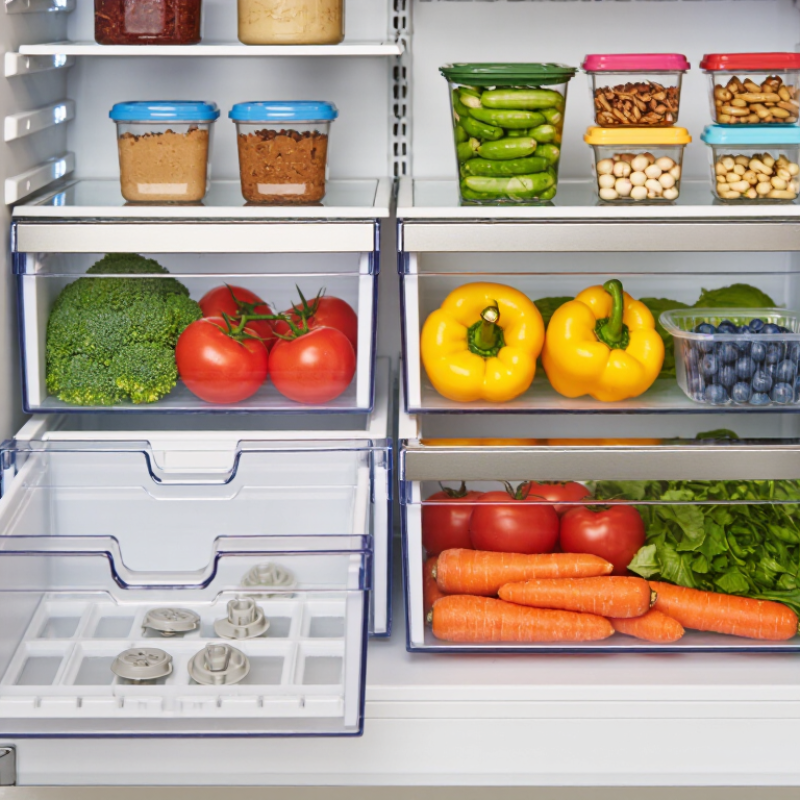
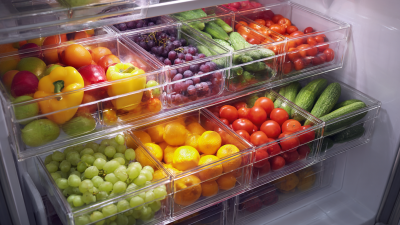
Fridge drawers are designed for different foods, not just extra space. Crisper drawers hold vegetables and fruit while controlling moisture. High humidity suits leafy greens, herbs, and broccoli. Low humidity works better for apples, grapes, and pears. Keep the vents adjustable when possible. Small changes can prevent limp lettuce and premature spoilage.
A deli drawer provides a colder, stable area for cheese, cooked meat, and sealed snacks. Some models include temperature controls, which help separate delicate foods from everyday items. Full-width drawers store trays and large containers, but they can waste space in narrow refrigerators. Pull-out freezer drawers suit frozen vegetables, meat, and prepared meals. Shallow utility drawers are useful for butter, small jars, or children’s snacks.
Measure carefully.
During a kitchen installation, I once underestimated drawer clearance by a few centimeters. The drawer opened, but nearby shelves blocked full access. Check interior width, depth, height, and door-swing space before buying. Look for smooth tracks, strong handles, removable panels, and rounded corners that clean easily. Transparent fronts improve visibility, although fingerprints become more noticeable. Avoid overfilling any drawer, because cold air needs room to circulate. I also prefer clear containers, but they require more washing than expected. That trade-off is easy to overlook. Temperature performance matters too, so use a refrigerator thermometer when storing highly perishable foods.
How to Choose the Best Fridge Storage Drawers in 2026?
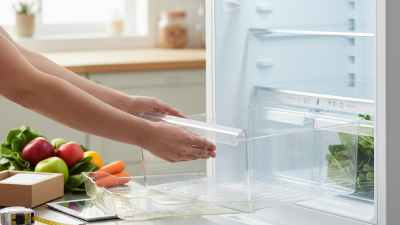
Measure your refrigerator space before choosing storage drawers. Use a rigid tape measure, not a flexible ruler. Record the usable width, depth, and height between shelves. Measure at the narrowest points, because fridge walls often curve inward. Leave extra space for air circulation and easy removal. A drawer that fits perfectly may still become difficult to handle.
Check the refrigerator door swing and shelf position. A drawer needs enough clearance to slide out fully. Compare its external dimensions with your measurements, then check its internal capacity. Look for smooth edges, stable handles, and materials that remain strong in cold temperatures. Compatibility also depends on shelf lips, adjustable racks, and drawer rails. Never assume a “standard” refrigerator size exists.
Tips: Measure twice, and write down every result. I once measured only the front opening, then discovered the rear wall was narrower. That mistake cost space and time. Test the drawer’s weight capacity with ordinary food, not overloaded jars. Keep heavier items low, and avoid blocking vents. A small gap can improve airflow. Check it regularly. If condensation gathers inside, the drawer may be overcrowded or poorly positioned. Clear measurements and honest testing usually matter more than attractive designs.
Food-contact-safe plastic is light, affordable, and less likely to crack. Stainless steel resists stains but can feel cold and noisy. Glass looks clean, yet it adds weight and may break if dropped. In my kitchen, rounded corners clean faster than sharp seams. That small detail matters after a leaking container.
A drawer holding 12 liters may lose space around rails and dividers. Check whether tall bottles, salad boxes, or meal containers fit without forcing the lid. Clear walls improve visibility. Removable dividers keep cheese, vegetables, and prepared food apart. I still misjudge capacity sometimes. Full drawers restrict airflow and make forgotten food easier to miss.
Choose adjustable vents or a separate temperature zone when storing delicate produce or fresh meat. However, a control slider does not guarantee an accurate temperature.
Place a refrigerator thermometer inside the drawer and keep the compartment at 4°C or below for safer storage.
High-humidity settings can slow leafy greens from drying, while lower humidity suits many fruits. Read the manual before changing settings. Drawers differ more than their labels suggest.
The best fridge drawer should make cleaning simple, not merely improve appearance. In daily use, I prefer smooth interiors, rounded corners, and removable dividers. These details prevent crumbs from hiding in narrow joints. NSF/ANSI 2 identifies smooth, corrosion-resistant, and easily cleanable surfaces as important for food equipment. A storage drawer may not require certification, but those principles remain practical. Avoid brittle plastic and weak handles. My earlier choice looked sturdy but warped after repeated washing. That mistake was expensive and avoidable.
Accessibility affects food safety. FDA Food Code 2022 recommends cold holding at 41°F or below. USDA FSIS guidance says refrigerated leftovers should usually be used within three to four days. Choose transparent drawers with full extension, so older food stays visible. A tight drawer can protect food from spills, but poor airflow may create warmer spots. Use a refrigerator thermometer. Do not trust appearance alone. Check whether the drawer slides smoothly when full. Heavy movement encourages rushed handling and accidental spills.
Tips: Measure the shelf first. Leave room for airflow. Choose dishwasher-safe parts only when the manufacturer confirms it. Wash drawers with warm water and mild detergent, then dry them completely. Label leftovers with dates. Small habits matter. Reconsider oversized drawers; they may hold more food, but they can also hide forgotten containers.
How to Choose the Best Fridge Storage Drawers in 2026?
Choosing fridge storage drawers in 2026 should begin with your budget, not appearance. A low-cost drawer can organize loose vegetables, cheese, or meal containers effectively. Look for clear walls, smooth runners, and handles that remain usable with wet hands. Measure the shelf first. A drawer that wastes two inches of depth wastes money.
USDA FoodKeeper guidance recommends keeping refrigerators at 40°F or below. Therefore, choose drawers that do not block cold-air vents. According to ENERGY STAR data, certified refrigerators use about 9% less energy than models meeting federal minimum standards. Better airflow may support efficient cooling, but drawer quality alone cannot create lower energy use. Keep that distinction clear.
For a modest budget, stackable plastic drawers offer practical value, although thin plastic may crack under heavy jars. Mid-range drawers with reinforced corners and removable dividers suit families preparing several meals weekly. Premium options may include humidity controls, but the benefit depends on consistent use. I once overfilled a deep drawer and forgot the vegetables underneath. That was user error, not a storage failure. Leave a small gap around containers, label older food, and check drawer temperatures with a refrigerator thermometer. Some attractive drawers slide poorly when overloaded. Test the movement before buying, if possible.