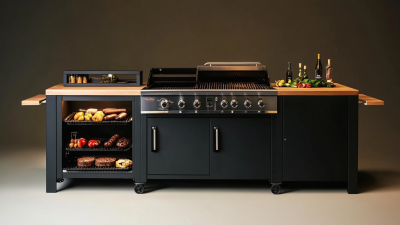
Choosing an Electric Barbecue Machine is not simply a matter of selecting the highest wattage. The right model should match your cooking space, meal habits, and cleaning tolerance. A compact machine may suit a small balcony, while a larger unit works better for family gatherings. The details matter.
Grilling expert Steven Raichlen has often expressed a practical view: “The grill is not just a cooking appliance; it is a way of life.” That idea fits electric cooking, but convenience still needs careful evaluation. A reliable Electric Barbecue Machine should offer stable temperature control, even heating, and a removable drip tray. Look for clearly marked settings rather than vague control knobs. A cool-touch handle also helps when food is ready.
Check the cooking surface carefully. Non-stick plates can simplify cleanup, but their coating may wear if metal tools are used. Cast-iron plates can create stronger grill marks, although they usually require more maintenance. Smoke output also deserves attention. Fat falling onto a hot surface can still produce smoke, even without charcoal.
No model is perfect.
Some machines heat quickly but lose temperature when several cold steaks are added. Others cook gently, yet take longer than expected. This guide compares power, surface size, temperature accuracy, safety features, cleaning design, and warranty support. It also considers real kitchen moments, such as cooking vegetables beside chicken or wiping grease from a crowded countertop. The best purchase is not the most impressive machine. It is the one that performs consistently, fits your routine, and remains easy to use after the excitement fades.
How to Choose an Electric Barbecue Machine?
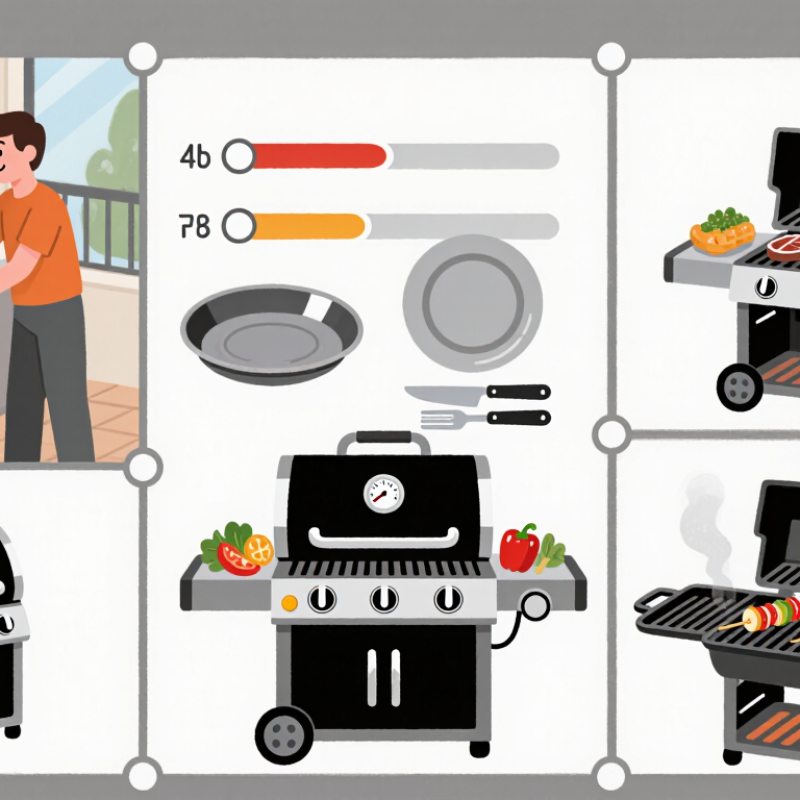
For typical home grilling, a 1,500–2,000 W electric barbecue machine offers a practical balance. It can heat steadily for burgers, vegetables, chicken pieces, and small steaks. Higher wattage may shorten preheating, but it does not guarantee better cooking. Heating design, thermostat accuracy, and plate contact matter too. A 1,500 W model may suit a small household with limited counter space. A 2,000 W model is more suitable when several people eat together.
Think about the cooking surface, not only the number on the box. A surface around 1,000 square centimeters can hold several skewers without crowding. Crowded food releases moisture and may steam instead of sear. I once focused too much on wattage and ignored the shallow grease tray. Cleaning became annoying after one meal. That mistake changed how I compare machines. Check the temperature range, removable parts, cord length, and the manufacturer’s electrical guidance. Use a properly grounded outlet, and avoid sharing an overloaded circuit.
Tips: Preheat fully before adding food. Leave small gaps between pieces. Test one batch before cooking for guests. If the machine struggles to recover heat after opening, the cooking area may be too large for its power. Keep a thermometer nearby for thicker meat. Wattage is only part of the decision. The right match depends on portion size, kitchen space, and how patiently you cook.
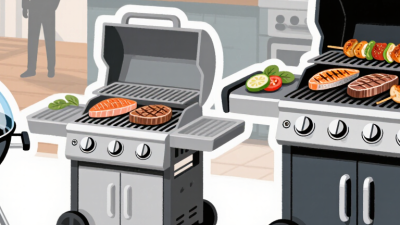
Heat control often matters more than a larger cooking surface. An adjustable thermostat lets you match temperature to different foods. Fish may need gentle heat, while burgers benefit from a hotter setting. Look for a cooking range between 200 and 250°C. This range supports browning without demanding maximum power constantly. A clear temperature dial is useful, but it should not replace a reliable thermometer. Some built-in controls show approximate heat, especially after repeated use.
Thin vegetables may need less heat. Thick cuts need patience. The thermostat should respond steadily, not jump wildly between cold and scorching. That detail is easy to miss. Check whether the heating element covers the full plate, because uneven heat creates pale and burnt patches. A small test with bread can reveal these zones.
I once trusted the dial completely and overcooked a batch of kebabs. The displayed temperature was not the surface temperature. Now I preheat for several minutes and check the grate separately. This extra step feels slow. It prevents guesswork.
Choose a machine with stable controls, readable markings, and a realistic 200–250°C operating range. Higher numbers are not automatically better. Reliable heat is what makes outdoor-style cooking easier.
How to Choose an Electric Barbecue Machine?
Safety compliance should guide your purchase. UL 1026 covers household electric cooking and serving appliances, including many countertop barbecue machines. Look for a clear UL 1026 reference on the rating label, not only in online pictures. An ETL listing also indicates evaluation by an accredited testing laboratory. However, ETL is a certification mark, not a separate safety standard. Verify the listing through the laboratory’s public certification database.
Overheat protection matters during long grilling sessions. Choose a machine with automatic temperature control, thermal cut-off protection, and a resettable safety device. The housing should remain stable when the heating plate reaches cooking temperature. Avoid units with loose cords, exposed terminals, or unclear wattage labels. NFPA’s Home Cooking Fires report estimates 158,400 home structure fires annually from 2017 to 2021. Cooking equipment caused about 470 deaths and 4,150 injuries during that period. These figures make small safety details important.
I once trusted a familiar-looking compliance symbol too quickly. That was careless. Certification marks can be misunderstood. Check the model number, electrical rating, and instruction manual together. A protective feature is useful only when it functions correctly. Test the timer and temperature control before cooking. Leave space around the appliance, even when the manual seems overly cautious.
| Evaluation Dimension | Safety Information or Requirement | What to Verify Before Purchase | Safety Importance | Assessment |
|---|---|---|---|---|
| UL 1026 Applicability | UL 1026 is a safety standard for household electric cooking and food-serving appliances. An electric barbecue machine may fall within its scope depending on its construction, intended use, and product classification. | Confirm that the product documentation identifies the applicable safety standard and the correct edition or current certification basis. | Helps determine whether the appliance has been evaluated against relevant electrical, mechanical, thermal, and fire-safety requirements. | Required to Verify |
| ETL Certification Mark | The ETL Listed Mark indicates that the product has been tested and certified by an OSHA-recognized Nationally Recognized Testing Laboratory to applicable safety standards. | Look for the certification mark on the product label and verify the certification listing in the testing organization’s official online directory. Do not rely on a symbol printed only in an advertisement. | Provides independent evidence that the product design and production controls were assessed against recognized safety requirements. | Preferred |
| Certification Scope | A valid certification applies to a specific product model, construction, and intended use. Certification of one appliance does not automatically cover another model or configuration. | Match the model number, electrical rating, product category, and accessories shown on the product label with the certification record. | Prevents reliance on an unrelated, expired, or incorrectly represented certification. | Required to Verify |
| Overheat Protection | A suitable appliance should include temperature-limiting protection, such as a thermostat, thermal limiter, thermal cutoff, or a combination of these devices. | Check the manual or technical specification for the protection device, its operating function, and whether it automatically resets or requires service after activation. | Limits excessive temperature caused by blocked airflow, an empty cooking surface, control failure, or abnormal operating conditions. | Required |
| Independent Thermal Cutoff | A non-resettable thermal cutoff can disconnect power when a defined abnormal temperature is reached. It is generally intended as backup protection rather than the normal temperature-control method. | Determine whether an independent backup cutoff is included and whether replacement requires qualified service. | Provides an additional layer of protection if the primary thermostat or electronic control fails. | Preferred |
| Temperature Control | The cooking control should regulate heating within its designed operating range and should not depend solely on the user unplugging the appliance to prevent overheating. | Review the control range, temperature settings, indicator lights, and instructions for preheating and unattended operation. | Stable temperature control supports safe cooking and reduces overheating, scorching, and fire risk. | Required |
| Grounding or Double Insulation | Class I appliances generally use protective earthing, while Class II appliances use reinforced or double insulation. The protection method must match the appliance design and local electrical requirements. | Check the rating label, plug configuration, grounding instructions, and whether the appliance is marked for grounded or double-insulated construction. | Reduces the risk of electric shock if an internal insulation fault occurs. | Required |
| Power Cord and Plug | The cord, plug, strain relief, and connection to the appliance should be suitable for the rated voltage, current, temperature, and intended environment. | Inspect for a secure strain relief, undamaged insulation, correct plug type, and clear electrical ratings. Do not use an extension cord unless the instructions specifically permit it. | Reduces risks associated with overheating, loose connections, damaged insulation, and accidental contact with live parts. | Required |
| Moisture and Grease Protection | Cooking appliances should be designed so that normal grease, food residue, and limited splashing do not readily reach energized electrical components. | Review cleaning instructions, enclosure design, removable-part instructions, and any stated water-resistance limitations. Never immerse the electrical base unless explicitly permitted. | Helps prevent short circuits, corrosion, electric shock, and ignition caused by grease contamination. | Required |
| Abnormal-Use Instructions | The manual should explain safe operation, prohibited uses, minimum clearances, ventilation, surface requirements, and actions to take if abnormal heating or smoke occurs. | Read the complete manual before purchase and confirm that the instructions are available in a language understood by the user. | Clear instructions reduce foreseeable misuse and help users respond correctly to overheating or malfunction. | Preferred |
| Product Markings and Ratings | The appliance should display permanent and legible information such as model identification, rated voltage, frequency, power or current, and required warnings. | Check that the label is attached to the appliance, not only to the packaging, and that the rating matches the intended electrical supply. | Correct ratings help prevent operation on an unsuitable supply and support traceability during servicing or recalls. | Required |
| Inspection and Maintenance | Heating elements, temperature sensors, grease trays, and cords should be accessible for inspection or cleaning as permitted by the instructions. | Check whether parts can be cleaned without exposing electrical components and whether damaged cords or controls must be replaced by qualified personnel. | Regular maintenance reduces grease buildup, sensor interference, corrosion, and deterioration of insulation. | Check Before Use |
When choosing an electric barbecue machine, inspect the cooking surface before admiring its power or appearance. A well-designed nonstick plate helps food release with less oil and makes delicate fish easier to turn. Look for a thick, even coating and clear care instructions. In practical kitchen use, ridges create attractive grill marks, but shallow grooves are easier to clean. Deep channels can trap grease and crumbs. That small detail matters after dinner.
Removable plates are especially practical for regular use. They let you reach corners that a fixed surface may hide. Dishwasher-safe parts can reduce scrubbing time, yet they are not indestructible. Repeated hot cycles may dull the finish or loosen edges over time. Check whether the plates lock firmly and sit flat. A loose plate can heat unevenly. I once overlooked this and found one side of a sandwich undercooked. A simple mistake, but a useful warning.
Tips: Confirm that the plates detach without tools. Choose smooth edges and a grease channel with enough depth. Use silicone or wooden utensils to protect the coating. Let the plates cool before washing them. Even dishwasher-safe parts may last longer with gentle hand washing. Avoid abrasive pads and harsh cleaners. If replacement plates are unavailable, reconsider the purchase. Convenience is valuable, but durability deserves equal attention.
Choosing an electric barbecue machine starts with the space around it, not its advertised cooking area. For an apartment kitchen, measure the counter, nearby cabinets, and distance to the power outlet. A compact grill fits more easily, but its smaller plate may require several cooking batches. I once chose convenience over capacity and spent twice as long cooking dinner. That mistake still influences my recommendations.
Smoke control matters indoors. Electric heat creates less smoke than charcoal, but dripping fat can still fill a room quickly. Look for a lidded design, removable drip tray, and adjustable temperature control. Use the machine beneath a functioning ventilation hood, with clear space around hot surfaces. A tray that holds little grease needs frequent emptying. This detail is easy to overlook. No grill is genuinely smoke-free.
Portability depends on more than weight. Check the handle, cord storage, surface stability, and whether parts detach for cleaning. For balconies, camping tables, or small patios, a lighter model saves effort. However, light construction can feel unstable when holding a full plate of food. Choose steady feet and a cool-touch handle where possible. Read independent testing, inspect warranty terms, and compare replacement-part availability. My judgment can be imperfect, especially when specifications hide real cleaning time. A machine that cooks well but frustrates maintenance may remain unused.