How to Organize Fridge Storage Drawers for Maximum Freshness?
Organizing fridge storage drawers is essential for maintaining food freshness and preventing waste. Many people overlook this aspect, leading to spoiled produce and clutter. By understanding the optimal arrangement of items, you can significantly enhance the longevity of your food.
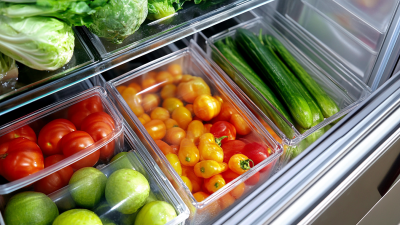
Fridge storage drawers serve different purposes. For example, vegetable drawers usually have higher humidity levels. This helps keep leafy greens crisp. On the other hand, fruit drawers have lower humidity, preventing overripening. It's easy to neglect these details, but they are crucial for freshness.
Additionally, consider the layout when stocking your drawers. Group similar items together. This not only saves time but also reduces the chance of forgetting what you have. A disorganized fridge can lead to the unpleasant surprise of expired items, highlighting a need for regular checks. A little effort in organizing can pay off in better quality food and fewer trips to the store.
Understanding Your Fridge's Design and Functionality
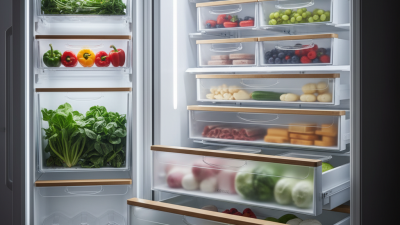
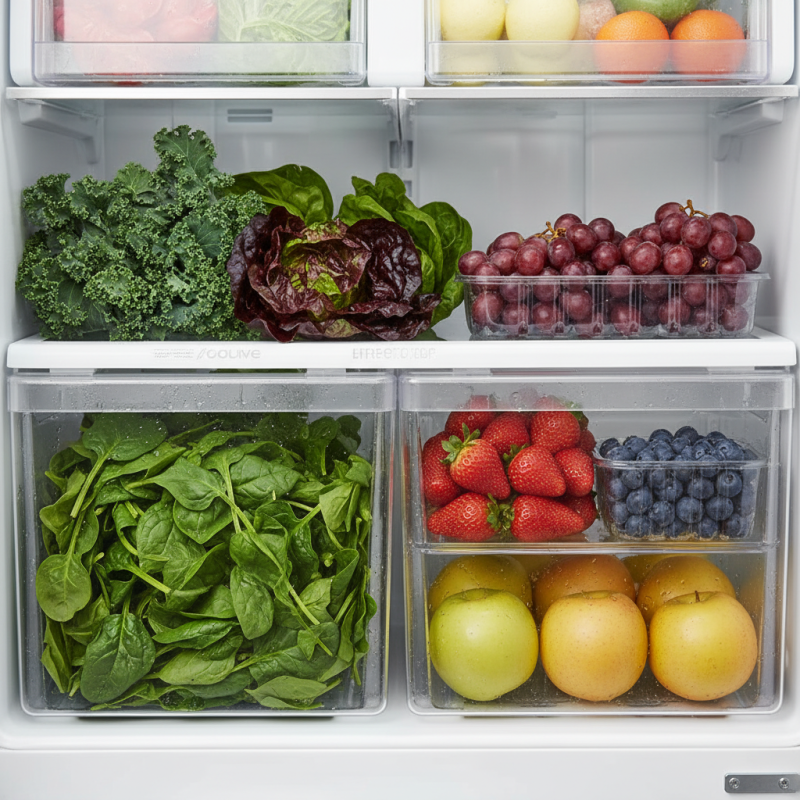
Understanding your fridge's design and functionality is crucial for optimal food storage. Refrigerators are designed with different zones, each catering to specific types of food. The top shelves typically maintain a more consistent temperature. It's ideal for items like drinks and herbs. The middle shelves, which often feature adjustable heights, are great for dairy products and leftovers. The lower shelves are consistently the coldest, making them suitable for raw meat and fish.
Data from the U.S. Department of Agriculture highlights that 28% of food waste comes from improper storage. This means many people are not using their fridges effectively. Organizing storage based on food type can significantly reduce spoilage. Utilizing drawers for fruits and vegetables, for example, promotes airflow while controlling humidity. However, many overlook this feature, risking produce freshness.
It's worth noting that fridge temperature settings also affect food longevity. Research from the Food and Drug Administration indicates that maintaining a temperature of 37°F to 40°F keeps food fresh longer. Yet, many households fluctuate these settings, compromising freshness. Understanding your fridge's layout—and embracing these small adjustments—can promote better food preservation and minimize waste.
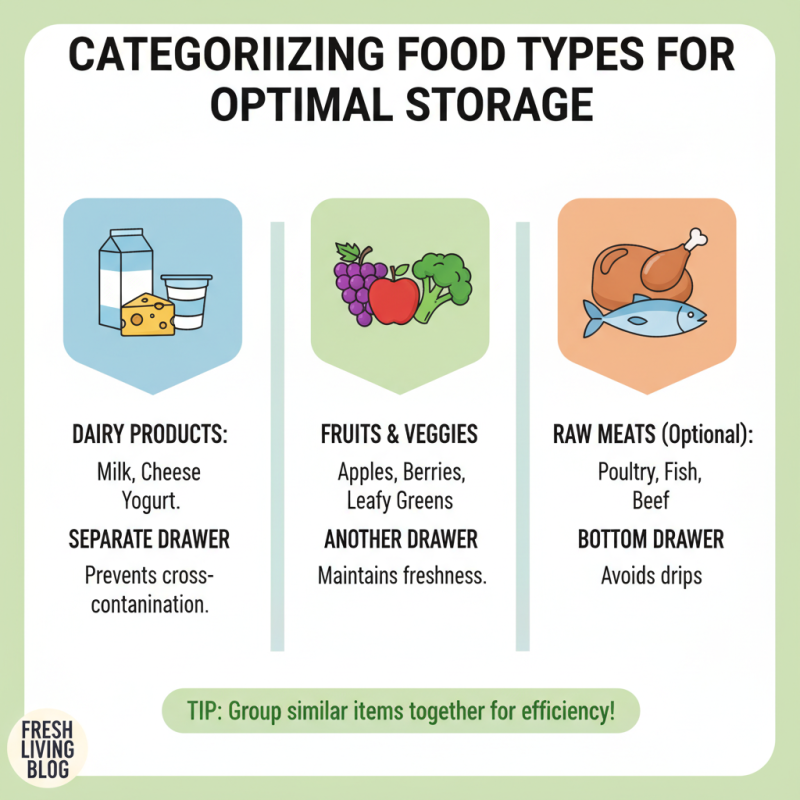
Categorizing Food Types for Optimal Storage
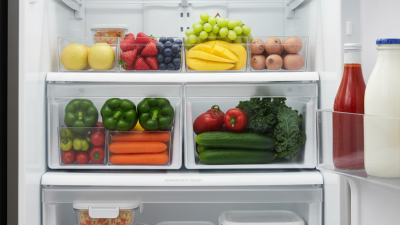
Organizing fridge storage drawers is crucial for maintaining food freshness. By categorizing food types, you can create an efficient system. Start by grouping similar items together. Dairy products should go in one drawer, while fruits and vegetables belong in others. This separation helps prevent cross-contamination and keeps items fresh longer.
Consider the temperature needs of each category. For instance, leafy greens thrive in humid environments. Store them in a crisper drawer designed for moisture retention. Conversely, whole fruits do best in a drier setting. This understanding can significantly enhance the lifespan of your produce. Remember, different items require different levels of care.
You might struggle with finding the right arrangement at first. It can feel overwhelming to categorize everything perfectly. Don't hesitate to make adjustments as you observe freshness trends. If vegetables wilt too quickly, revisit their storage location. Evaluating your organization regularly can lead to better practices over time. Fine-tuning ensures your fridge is a reliable ally in food preservation.
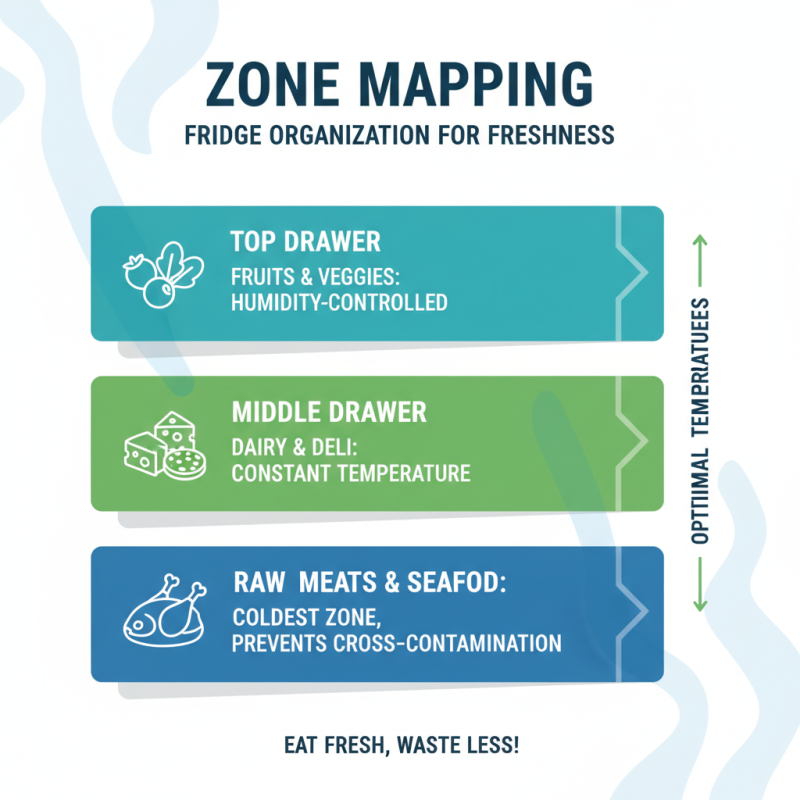
Zone Mapping: Assigning Drawers for Different Food Groups
Organizing fridge storage drawers can greatly enhance food freshness. Each food group should have its designated space in the fridge. This technique is known as zone mapping. It prevents cross-contamination and maintains optimal temperature for each item.
Fruits and vegetables thrive in specific conditions. Store leafy greens in the crisper drawer. Fruits tend to emit ethylene gas, which can spoil other produce. Keep them in a separate drawer. You might realize you occasionally mix them up, leading to spoilage. Pay attention to which items go where.
Dairy products need a consistent, colder environment. Place milk and cheese in the middle or top shelf. This area maintains a steady temperature. Refrigerated proteins, like chicken and fish, should be in the bottom drawer. They require the coldest spot, but be cautious. Drips can contaminate other foods below. Regularly clean the drawers and monitor freshness. You may find some items linger longer than they should.
Temperature Control and Humidity Levels for Freshness
Proper temperature control and humidity levels are crucial for maximizing the freshness of food in your fridge. The ideal refrigerator temperature is typically between 32°F and 40°F (0°C to 4°C). According to the Food Safety and Inspection Service, keeping your fridge at 40°F or lower prevents most bacteria from growing. However, many people set their fridges too high, which can lead to quicker spoilage.
Humidity is another key factor. Different foods require different humidity levels. Leafy greens do well in high humidity, while items like apples thrive in lower humidity. Research from the USDA indicates that the right humidity can extend the shelf life of vegetables significantly. For example, greens can last several extra days when stored properly, saving waste and money.
Even with the best organization, we can overlook details. Sometimes, door shelves can be too warm due to frequent openings. This can impact long-term storage. It’s essential to check and adjust the settings on your fridge occasionally. If you notice some foods spoil faster than expected, it may be time to reevaluate your storage methods. It’s all about continuously improving our fridge habits for the best freshness.
Fridge Storage Drawers Temperature and Humidity Levels
Tips for Maximizing Space and Reducing Food Waste
When it comes to organizing fridge storage drawers, maximizing space and reducing food waste are crucial. One effective method is to categorize items. Group similar foods together. For instance, keep vegetables in one drawer and fruits in another. This minimizes confusion and helps you quickly spot items that need using up.
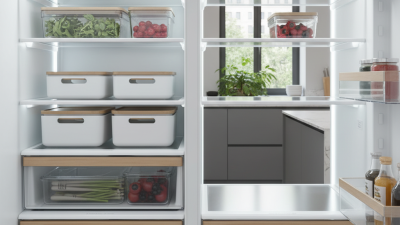
Another strategy is to maintain visibility. Use clear containers to store food. This way, you can see what's inside without opening everything. Regularly check the expiry dates on items. If something is nearing its end, consider prepping it for a meal. Overlooked ingredients often contribute to waste.
Pay attention to placement as well. Store older items at the front. New groceries can go to the back. This creates a natural rotation, encouraging you to use up what you have. Reflect on your habits. Do you always buy too much? Each week, think about your meal planning. Adjust your shopping accordingly. Addressing these issues can lead to fresher food and less waste.
How to Organize Fridge Storage Drawers for Maximum Freshness?
| Category |
Ideal Temperature (°F) |
Storage Tips |
Shelf Life |
| Fruits |
32-40 |
Store in the crisper drawer; keep apples away from other fruits. |
5-7 days |
| Vegetables |
32-40 |
Keep in a separate crisper to maintain humidity levels. |
3-14 days |
| Dairy |
34-38 |
Store on middle shelves; keep away from door. |
1 week after opening |
| Meat |
32-34 |
Store on bottom shelf; keep in original packaging. |
1-2 days |
| Beverages |
34-40 |
Keep on door or upper shelves for easy access. |
Varies by type |