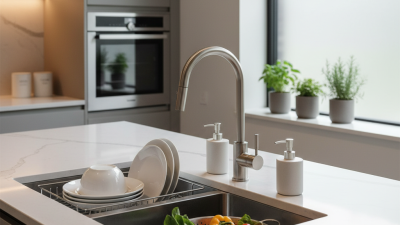
10 Essential Tips for Choosing the Perfect Stainless Steel Sink
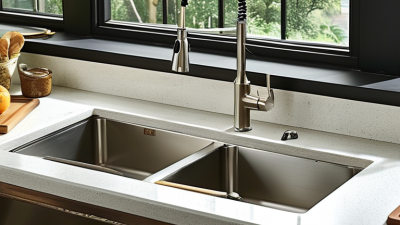
Choosing a stainless steel sink can be daunting. With so many options available, finding the right one is crucial for your kitchen. According to Maria Johnson, a renowned kitchen design expert, "A stainless steel sink can be the centerpiece of your kitchen, blending both functionality and elegance." Her insights remind us that a thoughtful choice can enhance the overall aesthetic and practicality of our space.
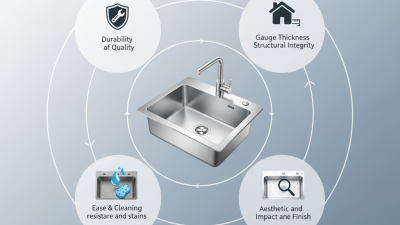
When selecting a stainless steel sink, consider the gauge, size, and finish. A higher gauge number indicates thinner metal, which may not withstand daily use. Think about your cooking habits and how often you use the sink. A larger sink might be beneficial, yet could consume valuable counter space.
The finish matters too. A brushed finish can hide scratches better than a shiny one. Reflect on the design and how it fits your kitchen style. Balancing functionality with visual appeal is key. Each detail influences your satisfaction in the long run. Choosing wisely will have lasting effects.
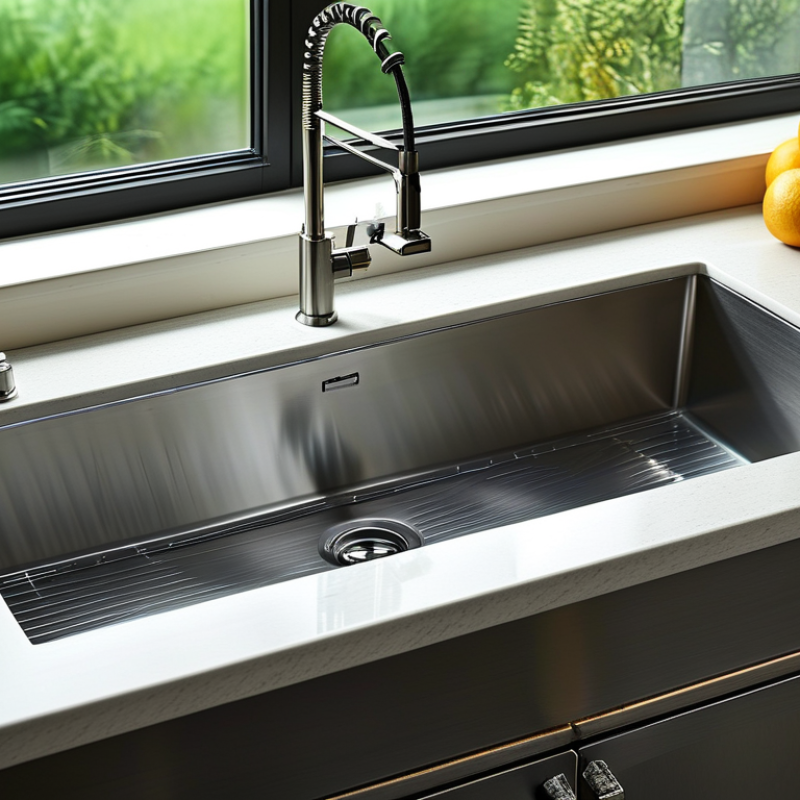
Understanding Different Types of Stainless Steel Sinks
When selecting a stainless steel sink, understanding the various types is crucial. There are multiple grades of stainless steel, each with unique properties. For instance, 18/10 stainless steel, which contains 18% chromium and 10% nickel, is often considered the best choice. Its resistance to rust and scratching makes it ideal for kitchen use. However, lower-grade steels may be more affordable but might not withstand heavy usage over time.
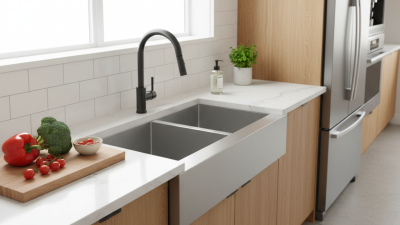
Another important factor to consider is the sink's configuration. Options include undermount, drop-in, and farmhouse styles. Each design has its advantages and drawbacks. An undermount sink offers a sleek look but is often more challenging to install. A drop-in sink is easier to replace, but it may not fit seamlessly with your countertop. Reflect on how you use your sink daily to determine which style suits you best.
Tip: Always examine the thickness of the steel. A thicker gauge often indicates better durability. A lightweight sink may seem appealing but could lead to more noise and vibration. Additionally, consider the surface finish. A brushed finish can hide scratches better than a polished one. Ultimately, knowing these options empowers you to invest wisely in a sink that meets your needs.
Evaluating Sink Gauge Thickness for Durability
When choosing a stainless steel sink, the gauge thickness plays a critical role in its durability. The gauge is a measure of the metal's thickness, influencing both performance and longevity. A lower gauge number signifies thicker stainless steel, which offers greater strength. Sinks with 16-gauge steel tend to withstand heavy use, while 18-gauge sinks are also popular for their balance of durability and cost.
Consider your needs carefully. If your household frequently uses the sink for cooking or cleaning, a thicker gauge may be essential. Thicker steel is less prone to denting and scratching, maintaining its shine better over time. However, some thinner sinks can also perform well, especially in homes with lighter use. It's important to evaluate daily activities and the overall wear on the sink.
Don’t overlook the installation factor, either. A thicker sink can be heavier, requiring robust mounting solutions. Weighing options carefully can prevent future installation headaches. Sometimes, it might even seem overwhelming to choose the right gauge. Remember, it's acceptable to take your time and ask for professional advice if needed. Selecting the right sink doesn’t have to be rushed.
10 Essential Tips for Choosing the Perfect Stainless Steel Sink - Evaluating Sink Gauge Thickness for Durability
| Sink Model |
Gauge Thickness |
Durability Rating |
Noise Reduction |
Price Range |
| Model A |
16 Gauge |
High |
Yes |
$300 - $400 |
| Model B |
18 Gauge |
Medium |
No |
$200 - $300 |
| Model C |
20 Gauge |
Low |
No |
$100 - $200 |
| Model D |
16 Gauge |
High |
Yes |
$350 - $450 |
| Model E |
18 Gauge |
Medium |
Yes |
$250 - $350 |
Selecting the Right Size and Configuration for Your Kitchen
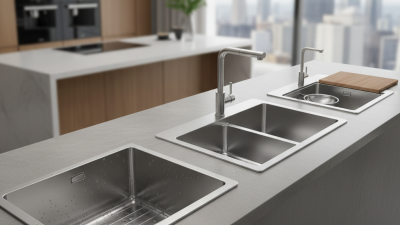
Choosing the right size and configuration for your kitchen sink is crucial. A sink that fits well can enhance both function and aesthetics. Start by measuring your countertop space carefully. Consider the dimensions of the cabinets and the appliances around the sink area. This will help you avoid an overwhelming look or cramped space.
Think about your cooking habits. If you cook frequently, a larger sink might be beneficial. A deep basin can accommodate pots and pans easily. On the other hand, if your kitchen is smaller, a compact sink can create more room for other activities. Sometimes, a single basin works better than a divided one, allowing for more versatile use.
Configuration matters, too. Decide whether you want a top-mount or under-mount sink. An under-mount creates a seamless look, while a top-mount can be easier to install. Each option has pros and cons. Take some time to reflect on how your sink will fit into your kitchen's workflow. Having a well-planned sink area can streamline daily tasks. Remember, the perfect fit is not just about measurements; it’s about how you will use the space.
10 Essential Tips for Choosing the Perfect Stainless Steel Sink
The following bar chart illustrates the recommended dimensions and configurations for selecting a stainless steel sink based on kitchen size. These values are averaged from common kitchen sizes and preferences.
Assessing Sink Finish Options for Style and Maintenance
When selecting a stainless steel sink, the finish can significantly influence style and maintenance. Brushed finishes are popular for their ability to resist fingerprints and water spots. However, they may show scratches more easily over time. A polished finish, on the other hand, offers a sleek look but can require more effort to keep clean. According to a survey by the National Kitchen & Bath Association, 70% of homeowners prioritize aesthetics, highlighting the importance of choosing the right finish.
A study by the American Society of Interior Designers suggests that sink materials account for about 25% of the visual appeal in a kitchen. Matte finishes are gaining traction, appealing to those who prefer a more subdued aesthetic. Yet, they can also be prone to staining, which may lead to frustration during cleaning. It's essential to weigh the benefits against the potential maintenance issues. Make sure to consider how your choice will blend with other kitchen elements while also reflecting your personal style.
Considering Sound Dampening Features in Stainless Steel Sinks
When choosing a stainless steel sink, sound dampening features play a crucial role. Many homeowners overlook this aspect, but a noisy sink can disrupt the peace of your kitchen. Studies indicate that up to 40% of noise in a kitchen comes from the sink. With adequate sound insulation, you can significantly reduce vibrations and echoes, creating a more serene cooking environment.
Professional recommendations emphasize various dampening methods. Many stainless steel sinks now incorporate undercoating or pads that absorb sound. A sink with these features can lower noise levels by up to 30%. However, not all sinks offer the same quality of sound insulation. Observing the gauge thickness is essential. Thicker sinks usually provide better durability and sound deadening. The ideal range is between 16 and 18 gauge for optimal performance.
While sound dampening is essential, it is equally important to ensure proper installation. Even the best sink can produce noise if not installed correctly. During installation, consider checking for gaps or poor mounting. These can compromise sound insulation and lead to unintended clanging sounds. Optimal placement and secure fixing are vital for a quiet kitchen experience. Being aware of these factors can lead to a more satisfactory sink selection.